
Black web access
Black web access allows users to navigate hidden online spaces securely, providing insights into tools and methods for safe exploration.
- Written:
- Updated: October 26, 2026
- Editor: Cassandra Delacroix

Exploring the Hidden Wiki for safe dark web access.
Explore Trusted Dark Web Services
This selection highlights reliable services available on Tor for accessing hidden online content. Each of these platforms offers unique features that can enhance your experience while navigating the dark web.
Nexus Market
Nexus Market — Discover a reliable marketplace with secure transaction options.
ums7mctigzemj3thj7nihnbpdb4evkvwvdfd3obodu2iv2q3s522aiyd.onion
The Tor Project
The Tor Project is the nonprofit organization that develops Tor software, offering anonymous access to downloads and documentation.
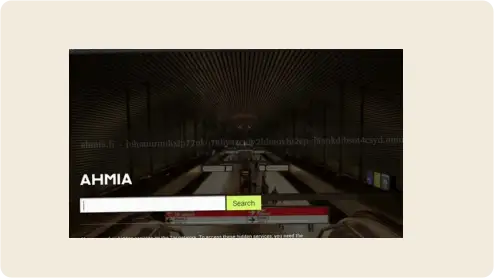
Ahmia
Ahmia — Ahmia is an essential search engine for .onion sites on the Tor network.
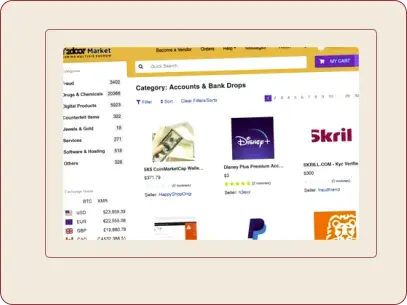
Tor2Door Market
Tor2Door Market — A privacy-focused marketplace with a simple interface and anonymous payments.
ytjm2aoy6o65si4xs3ltqs5jbkzyefvzlyzi4u3srqlljlcdhd6bojqd.onion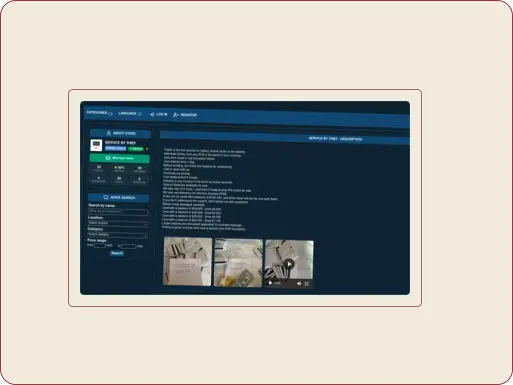
LONELY ROAD
LONELY ROAD — A versatile marketplace with AI support and multiple languages for ease of use.
Professor Mariarti
Professor Mariarti — Explore resources and insights for safely navigating Tor.
Black web access means opening .onion sites through the Tor network, which routes your connection across three random relays so no single relay knows both your location and your destination[1]. Start with Tor Browser, then treat any ‘hidden wiki’ link list as unverified — many clones exist to steal logins or cryptocurrency[2].
Dark Web Link Trust Checklist
| Criteria | Description | Evaluation |
|---|---|---|
| Domain Age | Check how long the domain has existed | Older than 1 year preferred |
| Directory Cross-Listing | Is the link listed on multiple trusted directories? | Yes/No |
| HTTPS/TLS on .onion | Does it use HTTPS/TLS encryption? | Required for security |
| Community Mentions | Are there positive mentions in forums? | Look for recent discussions |
| No Credential Prompts | Does it ask for credentials upfront? | Avoid if yes |
| No Auto-Downloads | Does it initiate downloads automatically? | Avoid if yes |
| Known Scam Patterns | Does it match known scam characteristics? | Check for red flags |
What “Black Web Access” Actually Means
The term 'black web' is often used colloquially to refer to the dark web or dark net, which is distinct from the surface web and deep web. Understanding these layers is essential for navigating online content effectively.
The surface web comprises about 4% of the entire internet and includes indexed sites accessible through standard search engines. In contrast, the deep web constitutes roughly 96% of the internet, containing unindexed content such as private databases and password-protected pages[3]. This is where the dark web resides, representing a small segment of the deep web that is intentionally hidden and requires special software to access[3].
To access the dark web, you'll need the Tor Browser, which utilizes onion routing to anonymize your connection. Tor works by sending your traffic through three random servers (relays) within the Tor network, ensuring that no single relay knows both your location and your destination[4]. Each relay only knows the previous and next relay in the circuit, enhancing anonymity[1]. This process makes it impossible for anyone, including Tor itself, to trace your activity back to you without specialized techniques[5].
It's crucial to distinguish between the dark web and the deep web. While the deep web includes benign content, like academic databases and private company sites, the dark web is often associated with illicit activities but can also serve legitimate purposes[3]. Accessing dark web content typically involves navigating to .onion addresses, which can only be reached through the Tor Browser[6].
Be cautious when exploring the dark web. Many resources, like the Hidden Wiki, present links to other .onion sites but may include unverified links that can lead to scams or phishing attempts[2]. Always verify the sources you engage with and consider using a VPN for additional privacy.
The Role of Tor and Onion Routing
Tor is essential for accessing the dark web, utilizing a technique called onion routing to anonymize user activity. It works by routing your internet traffic through three random servers, known as relays, within the Tor network. This means that no single relay can determine both your location and your destination, enhancing your anonymity online[4]. Each relay in the circuit is aware only of the previous and next relays, preventing any comprehensive tracking of your activity[1].
When you use Tor, your connection is encrypted multiple times, creating layers akin to the layers of an onion. Only the final relay, known as the exit relay, decrypts the innermost layer and sends your traffic to the public internet. This process ensures that your data remains secure during transmission, as all connections utilize TLS link encryption[5]. Furthermore, Tor relays rotate their encryption keys regularly, which adds an additional layer of security[5].
Websites on the dark web use the .onion pseudo-top-level domain, which is exclusively accessible through the Tor Browser[6]. These sites are not indexed by traditional search engines, meaning they remain hidden from standard internet users. This lack of indexing is a key characteristic of the dark web, distinguishing it from the deep web, which includes unindexed content but is not necessarily hidden[3][7].
The Tor Browser is the standard entry point for accessing these .onion addresses. It simplifies the process of connecting to the dark web while maintaining user anonymity. However, be cautious when navigating this space, as many resources, like the Hidden Wiki, contain unverified links that may lead to scams or malicious sites[2].
In addition to the Tor Browser, users can explore search engines like Torch and Excavator, which are designed for discovering links to .onion sites. The terms 'torch tor link' and 'tor torch link' refer to different search methods within these platforms. Employing these tools can help you find content more efficiently, but always verify the reliability of the links you encounter.
What the Hidden Wiki Is (and What It Is Not)
The Hidden Wiki serves as a directory of .onion links rather than a single, official website. It originated as a MediaWiki project that compiled links to various hidden services within the dark web, making it easier for users to navigate this unique segment of the internet[6]. However, it’s important to recognize that there are numerous versions of the Hidden Wiki, such as the 'hidden wiki onion link' and 'uncensored hidden wiki,' which often contain different or outdated links.
Links within the Hidden Wiki change frequently, with many becoming inactive or leading to malicious sites. This is a significant risk, as many pages claiming to be the Hidden Wiki are simply long lists of unverified links. Some of these clones are designed to steal personal information, such as logins, passwords, or cryptocurrency[2]. Users should treat any directory labeled as a Hidden Wiki with skepticism and verify links independently.
The term 'hidden wiki meaning' appears in various queries due to its association with the dark web’s resource navigation. Users often seek it as a starting point for exploring .onion content. However, there is no single reliable version of the Hidden Wiki today; instead, multiple copies exist, most of which are not trustworthy[2]. Therefore, relying solely on a Hidden Wiki can lead to exposure to scams or harmful content.
When engaging with any Hidden Wiki variant, prioritize security by using a VPN and cross-referencing links with trusted directories. It’s crucial to remain aware of the potential risks and proceed cautiously, especially when accessing links that could compromise your privacy or security.
How Dark Web Search Engines and Link Directories Work
Navigating the dark web requires understanding how search engines and link directories operate. Unlike traditional search engines like Google, dark web search is fragmented and often unreliable.
Dark web search engines, such as Torch and Excavator, are designed to help users locate .onion sites. Torch is one of the oldest and most popular search engines for the dark web, allowing users to search for specific terms across numerous hidden services. Excavator, or 'excavator tor link', provides a more focused way to explore specific niches within the dark web, but users should remain cautious, as results may include outdated or malicious links. These search engines do not index content comprehensively, making searches hit-or-miss compared to the surface web, where Google offers extensive indexing and reliable results.
The dark web’s decentralized nature means you may need to utilize multiple search engines to find what you're looking for. Ahmia is another notable example that focuses on providing a more curated search experience for .onion sites. Despite these resources, the search results can still be unreliable, with many links leading to inactive sites or scams.
Directories like the Hidden Wiki exist to fill the gaps left by these fragmented search engines. The Hidden Wiki serves as a compilation of links to various .onion sites, but caution is necessary; many clones and unverified versions contain links that can lead to phishing attempts or other malicious content[2]. As of now, there is no single authoritative version of the Hidden Wiki, and users should treat any directory claiming to be the original with skepticism[2].
In summary, while dark web search engines and link directories provide valuable tools for exploring hidden content, their reliability pales compared to traditional search engines. Always verify links independently and approach the dark web with a healthy dose of caution.
Common Myths and Misconceptions About the Dark Web
The dark web is often misunderstood, leading to several myths that need debunking. Contrary to popular belief, not everything on the dark web is illegal, and it isn't as vast as many think.
Many assume that the dark web is synonymous with criminal activity. In reality, it serves both legitimate and illicit purposes. For instance, activists in oppressive regimes use the dark web to communicate safely, while others may engage in illegal activities. According to the Congressional Research Service, the dark web is a small segment of the deep web that requires special software like Tor to access, and it can host a variety of content, including forums and services that promote free speech[3].
Another common myth is that the dark web is inherently dangerous. While there are risks associated with accessing certain sites, not all dark web content poses a threat. Users can find valuable resources, such as guides on privacy and security, that are often unavailable on the surface web. However, caution is essential. Engaging with unverified links can lead to scams or malware, so always verify sources before interacting.
Regarding law enforcement, a frequently asked question is, "Can the FBI track Tor?" While Tor provides a level of anonymity by routing traffic through three random relays, it is not foolproof. In some cases, operational security failures or the use of malicious exit nodes can lead to deanonymization[4][8]. The FBI has successfully tracked users in the past by deploying techniques that circumvent Tor's protections, demonstrating that while Tor enhances privacy, it does not guarantee complete anonymity[8].
Finally, it's crucial to understand that the dark web is not as expansive as the surface web. The surface web comprises about 4% of the entire internet, while the dark web represents only a tiny fraction of the deep web[3]. This limited scope means that while the dark web can be intriguing, it does not rival the vastness of the surface web in terms of content.
In summary, while the dark web has its risks and is often associated with illegal activities, it is not entirely dangerous or illegitimate. Understanding its nature and exercising caution can help you navigate this complex online landscape safely.
What You Can Actually Find on Dark Web Sites
Dark web sites offer a mix of legitimate and illicit content, making it essential to understand what you can find. Privacy-focused communication, whistleblowing platforms, and journalism resources are some of the positive aspects of the dark web. For instance, journalists may use these sites to share sensitive information without risking their safety, especially in oppressive regimes where free speech is restricted.
Forums on the dark web often foster discussions about privacy, technology, and security. These platforms can provide valuable advice and support for users interested in maintaining their anonymity online. Libraries and repositories of information also exist, offering access to books, research papers, and other educational materials that may not be easily available on the surface web.
However, it's important to acknowledge the presence of illegal marketplaces and scams. While some users may seek out these sites for illicit activities, many dark web websites are designed to exploit users, leading to potential financial losses or exposure to malware. Always approach unknown sites with caution, as the dark web is rife with unverified links that can lead to harmful experiences.
Categories of Dark Web Sites
Privacy-Focused Communication: Secure platforms for whistleblowers and journalists.
Forums: Spaces for discussions on privacy, technology, and security.
Libraries: Repositories for educational materials and research.
Illegal Marketplaces: Sites selling illicit goods and services, often with high risks involved.
Scams and Phishing: Many sites aim to deceive users into providing personal information or funds.
One notable category includes dark web hacking websites. While these sites may offer tools and information for ethical hacking, they also pose significant risks. Engaging with such content can lead to legal troubles or exposure to malicious activities.
Navigating the dark web requires discernment and caution. The Hidden Wiki, for example, serves as a directory for .onion sites but often contains unverified links that could lead to scams or phishing attempts[2]. Always verify any resources you engage with and consider using a VPN to enhance your privacy while exploring these hidden corners of the internet.
Safe Navigation Principles for First-Time Visitors
Prioritizing safety is crucial when accessing the dark web for the first time. Follow these principles to enhance your security and minimize risks.
Using a VPN before connecting to Tor is essential. A VPN masks your IP address, adding an extra layer of anonymity to your browsing experience. It encrypts your internet traffic, making it more difficult for anyone to intercept your data. This step is particularly important because Tor, while providing anonymity through its onion routing, does not encrypt traffic between the user and the Tor network[4].
Never download files from unknown sources. Malicious software can be hidden in seemingly innocuous downloads, compromising your device's security. Additionally, avoid enabling scripts on websites, as they can execute harmful code without your knowledge. Keeping your browsing environment as secure as possible is vital to protect your personal information.
Reusing personal credentials is a significant risk. Create unique usernames and passwords for your dark web activities, ensuring that they do not match those you use on the surface web. This practice limits the potential damage if one of your accounts is compromised. Always treat every link as suspicious; even familiar-looking URLs can lead to phishing sites or scams.
Understanding the difference between 'dark web addresses' and 'deep web addresses' compared to regular URLs is crucial. Dark web addresses, typically ending in .onion, can only be accessed through the Tor network[6]. These addresses are not indexed by traditional search engines, making them inherently different from standard web URLs, which are easily searchable and accessible.
Checklist for Evaluating .onion Links
Source Verification: Check if the link is from a trusted directory or a reliable source.
Reputation: Look for reviews or mentions of the site in forums or communities.
Content Clarity: Ensure the site clearly describes its purpose and services.
Security Features: Confirm that the site uses HTTPS for secure connections.
Anonymity Assurance: Avoid sites that request personal information upfront.
Following these principles will help you navigate the dark web more safely and make informed decisions about the links you choose to explore.
Why Dark Web Links Change So Often
Dark web links frequently change due to various factors, including hosting instability, law enforcement actions, exit scams, and voluntary shutdowns. These dynamics contribute to the rapid churn of content, making any static list of links outdated almost immediately.
Hosting instability is a common issue. Many dark web sites rely on anonymous hosting services, which can be unreliable. If a service goes offline, all associated links become inactive. Law enforcement actions can also lead to sudden disappearances; for instance, when authorities target illegal marketplaces, they often shut them down, resulting in the loss of numerous links at once[8]. Exit scams, where operators disappear with users' funds, can further destabilize the landscape, while voluntary shutdowns may occur when site owners decide to close their operations for personal or legal reasons.
This high rate of change explains why searches for ‘hidden wiki 2022’, ‘hidden wiki 2023’, and ‘new hidden wiki’ are prevalent. Users are often seeking updated directories that can lead them to functional sites. Without a reliable and current list, users may find themselves navigating to outdated or non-existent links, leading to frustration or security risks.
Directories and search engines are preferred for navigating the dark web due to their ability to provide up-to-date information. Unlike static lists, these resources continuously update their links, reflecting the ever-changing nature of the dark web. However, users should remain cautious, as even these tools can lead to unverified or malicious sites. Always verify the credibility of any directory before exploring its links, as many false or cloned versions exist that could compromise your security[2].
In summary, the frequent changes in dark web links necessitate a reliance on dynamic resources rather than static lists. Staying informed and cautious will enhance your navigation experience while exploring these hidden corners of the internet.
Quick Reference: Dark Web vs Deep Web vs Surface Web
Understanding the differences between the dark web, deep web, and surface web is essential for anyone exploring hidden online content. Below is a comparison table that highlights key aspects of each segment.
| Feature | Surface Web | Deep Web | Dark Web |
|---|---|---|---|
| Indexing | Indexed by traditional search engines | Not indexed by standard search engines | Not indexed; requires special software to access |
| Access Method | Accessible via standard web browsers | Accessed through specific applications or credentials | Accessed using Tor or similar anonymity tools[4] |
| Examples | Social media, news sites, blogs | Private databases, intranets, academic resources[3] | .onion sites, Hidden Wiki, illicit marketplaces[6] |
| Size | Approximately 4% of the total internet | Estimated to be 90-96% of the total internet | Represents a small fraction of the deep web[3] |
| Legality | Generally legal content | Content can be legal or private (e.g., medical records) | Can host both legal and illegal activities[3] |
The surface web is what most users interact with daily, comprising websites that are indexed and easily accessible. In contrast, the deep web includes a vast array of content not indexed by conventional search engines, such as databases and private networks used by organizations.
The dark web is a subset of the deep web that utilizes special software, like Tor, to provide anonymity for its users. This makes it a space where illicit activities can occur, but it also serves legitimate purposes, such as privacy-focused communication for activists in oppressive regimes[3].
Navigating these areas safely requires understanding their distinct characteristics. For example, while the surface web is generally safe, the deep web and dark web require cautious exploration due to the presence of unverified content and potential risks. Always prioritize security by using tools such as VPNs and verifying sources before engaging with any links.
Typical Mistakes and Misconceptions
Trusting any page that calls itself ‘The Hidden Wiki’
Users often type ‘hidden wiki’ into a search engine and click the first result, assuming it is the canonical directory. In practice, there is no single reliable original Hidden Wiki; instead, numerous copies exist, and the majority are unreliable[2]. Many of these clones are long lists of unverified links designed to steal logins, passwords, or cryptocurrency[2]. Treat every directory as a starting point for verification, not as a source of trusted destinations.
Assuming the dark web is automatically illegal or dangerous
A common misconception equates dark web access with criminal intent, which leads some users to avoid legitimate privacy tools entirely. The Congressional Research Service notes that the dark web may be used for legitimate purposes as well as to conceal criminal or otherwise illicit activity[3]. Germany’s Federal Office for Information Security similarly distinguishes the deep web’s unindexed databases and services from the dark net’s special software requirement, without labeling the latter as inherently unlawful[7]. Your legal risk depends on what you do there, not on the network itself.
Believing Tor hides everything by default
Some users assume that once they open Tor, their identity is fully protected and no further caution is needed. Tor routes traffic through three random relays, but the exit relay sends traffic onto the public Internet, meaning the exit node can see unencrypted data leaving the network[4]. Only the exit relay can read the cells after the Tor client establishes encryption keys with each relay[5]. If you enter personal details or log into accounts tied to your real identity, Tor cannot undo that exposure.
Expecting dark web links to stay stable over time
New users often bookmark a working .onion address and return weeks later to find it dead, then assume they made an error. Dark web links change frequently due to hosting instability, law enforcement actions, exit scams, and voluntary shutdowns, which is why searches like ‘hidden wiki 2022’ and ‘new hidden wiki’ keep appearing. A directory that works today may be gone tomorrow, and static lists become outdated almost immediately. Rely on directories that update continuously, and verify each link before clicking[2].
Thinking the FBI can simply ‘track’ any Tor user
Questions like ‘Can the FBI track Tor?’ are often answered with fear-based language, but the technical reality is more specific. In the Playpen investigation, the FBI took administrative control of a dark web site but still could not identify administrators or users without deploying a Network Investigative Technique that circumvented Tor’s anonymizing features and collected IP addresses directly from users’ computers[8]. This shows that deanonymization typically requires an additional technique or operational error, not routine tracking of the Tor network itself. Your exposure increases when you download files, enable scripts, or reuse credentials across surface and dark web services.
Conclusions
Treat every .onion link as unverified until you confirm it through a current directory or community mention, not through a static list you saved weeks ago.
Separate your dark web identity from your surface web identity: unique usernames, unique passwords, and no personal details in forms or logins.
Expect links to disappear. Hosting instability, law enforcement actions, exit scams, and voluntary shutdowns make any directory outdated within days or weeks.
Tor protects your route, not your behavior. The exit relay can see unencrypted traffic, and deanonymization typically requires an additional technique or your own operational mistake.
Verify the directory before you verify the link. Most pages calling themselves ‘The Hidden Wiki’ are unreliable clones designed to collect logins or cryptocurrency.
Start with one current community resource and cross-check every link against it. If you want to see how users evaluate and share directories in practice, read Dark Web Reddit: A Community Overview.
Your questions, answered
What does it mean to access the dark web?
Accessing the dark web means connecting to the intentionally hidden segment of the deep web that requires special software, typically Tor, to reach .onion sites[3][6]. Your traffic routes through three random relays, and the exit relay sends it onto the public Internet, so the network hides your route but not necessarily what you do[4]. You are not entering a separate internet; you are using an overlay network that anonymizes the path between you and the destination.
Can the FBI track Tor?
The FBI cannot routinely track Tor users through the network itself, but deanonymization happens when an additional technique or your own operational error is involved. In the Playpen investigation, the FBI took administrative control of a dark web site and still could not identify administrators or users without deploying a Network Investigative Technique that circumvented Tor's anonymizing features and collected IP addresses directly from users' computers[8]. Your exposure increases when you download files, enable scripts, or reuse credentials across surface and dark web services.
Where do I find dark web websites?
Dark web websites are found through directories and community-maintained indexes, not through traditional search engines, because .onion addresses are not indexed by Google or Bing[3][6]. The Hidden Wiki was historically a directory of links to other .onion sites, but today there is no single reliable original version, and most pages calling themselves a hidden wiki are clones designed to steal logins, passwords, or cryptocurrency[6][2]. Use a current, verified onion directory and cross-check every link against a second source before clicking.
What is the difference between the dark web and the internet?
The dark web is a small subset of the deep web, which itself is the unindexed portion of the internet that includes private databases, intranets, and commercial services like Westlaw[3]. The surface web is what traditional search engines index, while the dark web requires special software such as Tor to access .onion sites[4][6]. Germany's Federal Office for Information Security makes the same distinction: deep web content is not indexed and includes databases and services belonging to companies or universities, while the dark net requires special software[7].
Is the dark web illegal?
Accessing the dark web is not illegal in most jurisdictions, and the Congressional Research Service notes that it may be used for legitimate purposes as well as to conceal criminal or otherwise illicit activity[3]. Your legal risk depends on what you do there, not on the network itself. The same infrastructure that hosts illicit marketplaces also supports privacy-focused communication for activists in oppressive regimes[3].
Is the dark web dangerous?
The dark web is dangerous when you treat unverified links as trustworthy or reuse personal details across surface and dark web services. Many pages calling themselves a hidden wiki are long lists of unverified links, many of which are clones designed to steal logins, passwords, or cryptocurrency[2]. Tor hides your route, but the exit relay can see unencrypted traffic leaving the network, so entering personal details or logging into accounts tied to your real identity undoes that protection[4][5].
What is the hidden wiki?
The Hidden Wiki was a dark web MediaWiki wiki operating as a Tor hidden service whose main page served as a directory of links to other .onion sites[6]. Today there is no single reliable original Hidden Wiki; instead there are numerous copies, the majority of which are unreliable[2]. Treat any directory calling itself a hidden wiki as a starting point for verification, not as a source of trusted destinations.
Sources consulted
- 1
- A short introduction to Tor - Tor Specifications
- 2
- About thehidden.wiki – A Clean, Verified Onion Directory
- 3
- Congressional Research Service - IF12172 (Surface Web, Deep Web, Dark Web)
- 4
- ABOUT TOR BROWSER | Tor Project | Tor Browser Manual
- 5
- Tor cryptographic keys - How Tor works - About Tor — Tor
- 6
- The Hidden Wiki - Wikipedia
- 7
- BSI - Dark net and deep web: shedding light on the dark
- 8
- United States Court of Appeals for the Second Circuit - United States v. Eldred (Playpen/NIT)
Elsewhere on the site

Dark Web Reddit: A Community Overview
Explore Dark Web Reddit for insights on hidden online content, community discussions, and resources to navigate the dark web effectively.

Why is My Email on the Dark Web?
Discover why your email appears on the dark web and learn steps to protect your personal information from potential threats.

Deepweb Browser: Choosing the Right One
Discover the best deep web browsers to access hidden content safely and securely. Make informed choices for your online privacy.